A poignant, personal lamentation. “for restful death I cry.”
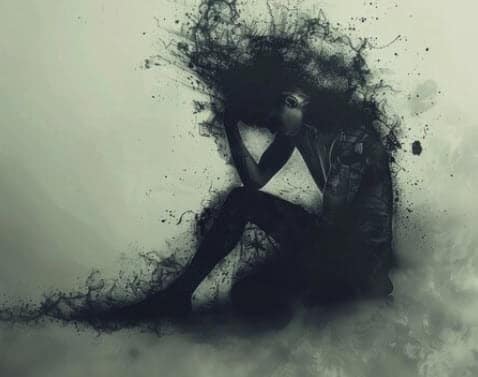
For anyone who feels that Shakespeare is some remote poet/playwright, removed from us by time and temperament, Sonnet 66 is an astonishingly personal glimpse into his psyche, an all-too-human lament over life’s transient nature. One of his darkest sonnets, it offers only slight, ironic comfort to our sometimes unavoidable thoughts about our brief time in existence and humanizes “the greatest writer ever” to a single man adrift in the universe.
***
Tir’d with all these, for restful death I cry,
As, to behold desert a beggar born,
And needy nothing trimm’d in jollity,
And purest faith unhappily forsworn,
And gilded honour shamefully misplac’d,
And maiden virtue rudely strumpeted,
And right perfection wrongfully disgrac’d,
And strength by limping sway disabled,
And art made tongue-tied by authority,
And folly, doctor-like, controlling skill,
And simple truth miscall’d simplicity,
And captive good attending captain ill.
Tir’d with all these, from these would I be gone,
Save that, to die, I leave my love alone.
***Sonnet 66 is a Shakespearean Sonnet.1
This sonnet is so personal that we may assume that the speaker is probably Shakespeare. Sonnet 66 immediately asserts its premise with the first word: Tir’d. The objects of this weariness (with all these) are then described in lines 2-12 (As, to behold), a condemnation of a world so corrupt that virtues are subverted and overcome by opposing vices. The effect of this is so profound that it shatters the speaker and causes him to long for death as a release (for restful death I cry).
The virtues described can be seen as a compendium of values Shakespeare holds dear; conversely, the vices are traits of man at his worst. The poem represent’s the speaker’s witnessing this losing battle (behold), prompting a cris de coeur, a cry from the heart.
Shakepeare uses anaphora,2 the repetition of phrases (And…) for a damning list of man’s worst traits, often represented in the characters and content of his tragedies, the virtues and vices presented in antithesis. “Just deserts” is rewarded with poverty (beggar), while greed (needy nothing) is trimm’d in happiness (jollity), symbols of inequity. In the next five lines goodness (faith, honour, maiden virtue, right perfection, and strength), is assaulted (forsworn, misplac’d, strumpeted, disgrac’d, disabled) by perversion, in a losing battle. This isn’t a question of man’s worst traits existing alongside his best traits, but of the former overwhelming and supplanting the latter. Art has been repressed (tongue-tied) by censorship (controlling skill), simple truth misrepresented as simplicity, and good enslaved (captive) and made to serve (attending) a vaulted (captain) evil (ill).
The world, so described, is no longer a haven but an incapacitating existence, battering the speaker into exhausted submission, robbing him of the very will to live (Tir’d with all these, from these would I be gone), harkening back to line one, Tir’d with all these, for restful death I cry. The poem is a desperate, self- abnegating lament of despair. The slightest salve is offered in the last line, Save that, to die, I leave my love alone. Note, however, that love is not portrayed as redemptive, merely palliative. The pain is pervasive, entrenching, and overwhelming, a desolate worldview. A song of sorrow.
***
- Sonnet 66 is a Shakespearean Sonnet in format: 14 lines of 3 quatrains (4-line stanzas) and a couplet (2-line stanza), with rhyme scheme abab cdcd efef gg, written in iambic pentameter (each line consisting of 5 poetic “feet”–pentameter–of two syllables, unstressed and stressed —iamb).1 ↩︎
- a rhetorical device that repeats a word or phrase at the beginning of successive clauses, sentences, or lines to create rhythm, emphasis, and emotional impact ↩︎
***
Subscribing only means that you will receive a notice when I publish a new post.
***
(Note: You can view most poems on the website, Poetry Foundation.)
(Note: My Poetry Recordings Playlist: At the very bottom of the post Is a recording. To view my entire playlist of poetry recordings, hover over “1/18” in the upper right corner, then click on ‘My Poetry Recordings Playlist:´and make selection.)
***
Scroll down for comments. **Remember that comments are public. Enter your Comment below.**
Leave a Reply